
SpaceX Starship Flight 13 Aborted at Zero Seconds
SpaceX aborted its highly anticipated Starship Flight 13 launch attempt on Thursday night right at zero seconds due to engine startup issues.
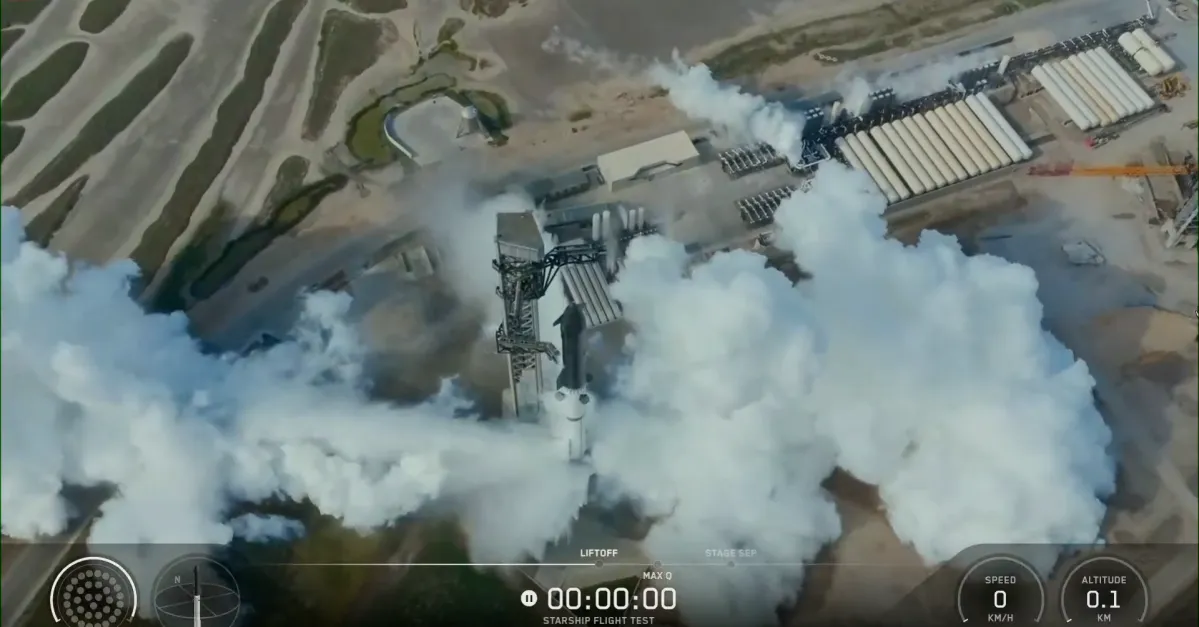
The massive SpaceX Starship rocket sitting on the launchpad before the aborted Flight 13 test
An Unexpected Halt at the Final Moment
We watched in shock as the countdown ticked down to the final second just before 7:00 PM ET on Thursday. Millions of spectators tuned in online to witness the giant spacecraft lift off into the night sky. Instead of a roaring ascent, the massive vehicle remained firmly planted on its launchpad.
Elon Musk quickly clarified the sudden stop on social media, explaining the system's reaction. He wrote, 'Some of the engines didn't start, triggering an automatic launch abort.' The automated safety systems worked exactly as designed to prevent a potential disaster on the pad.
The First Launch of the New Era
We find this particular test flight highly significant because it marks a brand new era for the aerospace giant. This mission represents the thirteenth test flight for the Starship program. Crucially, it also stands as the first launch attempt since SpaceX completed its massive initial public offering (IPO).
The pressure on the engineering team has certainly intensified now that public investors are watching closely. We know that rocket science is incredibly difficult, and minor issues frequently cause delays. However, the stakes feel much higher now that the company operates under the public microscope.
What Lies Ahead for Starship
We expect the brilliant engineers at SpaceX to work tirelessly over the next few days to diagnose the engine issues. They will likely review the telemetry data to find out why those specific engines failed to ignite. Once they fix the problem, we will undoubtedly see another launch date announced very soon.
These temporary setbacks are simply part of the journey when building the largest rocket in human history. We believe that aborting the launch on the pad is always better than losing the entire vehicle mid-air. The team will bounce back quickly and make the next attempt even safer.
Read Also
